What is Web 2.0?
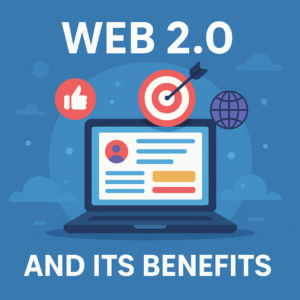
Web 2.0 refers to the interactive web era that followed the original “read-only” Internet (Web 1.0). It is characterized by user-generated content, social interaction, and collaboration. It transformed the internet from a static information space into a dynamic network where users share ideas, publish content, and build communities. Understanding Web 2.0 is important for anyone who wants to improve online visibility because many of the strategies used in search engine optimization are built around Web 2.0 principles.
Web 1.0 vs. Web 2.0
The earlier Web 1.0 was largely static. Pages of content were served from a server’s file system and most users simply consumed information. In contrast, Web 2.0 is dynamic and user-driven. The Investopedia comparison notes that Web 2.0 sites have dynamic content, less controlled user input, and greater collaboration, making them more social and interactive-driven, whereas Web 1.0 sites were mostly static with controlled input. In practical terms, under Web 1.0 a visitor read a news article, but under Web 2.0 they can comment on it, share it, or even edit it.
Key Features of Web 2.0
Core components of Web 2.0 include social networking, user-generated content, and rich media sharing. Blogs and microblogs (WordPress, Medium, Twitter/X), social networks (Facebook, LinkedIn, Instagram), wikis (Wikipedia), and video/photo sharing sites (YouTube, TikTok, Flickr) all fit this model. These platforms allow two-way interaction where users can publish articles, post images or videos, comment on others’ posts, and subscribe to feeds. This level of interactivity marks a transformative stage of the internet where participatory culture and collaboration drive the experience.
Business and Marketing Benefits of Web 2.0
Web 2.0 empowers businesses with new marketing and communication tools. Key benefits include:
Better Communication and Collaboration
Web 2.0 tools let anyone share ideas online. For example, companies can use wikis, team blogs, and social platforms to crowdsource ideas or share knowledge internally. Users can publish content, share ideas and subscribe to various feeds, which creates better communication through web apps, boosting interaction and knowledge sharing. This openness accelerates innovation. McKinsey reports that heavy Web 2.0 users develop more innovative products and services by collaborating both inside and outside the company.
Expanded Audience and Brand Visibility
By leveraging social networks and blogs, businesses reach far larger audiences than with traditional ads. A blog post or viral social share can expose a brand to thousands of new customers. In fact, Web 2.0 marketing allows you to reach a larger audience using popular social platforms, thereby increasing brand awareness. Active social profiles and content marketing make a company more visible online, helping it stand out in a crowded market.
Targeted and Cost-Effective Marketing
Web 2.0 channels are usually low-cost or free (social media profiles, free blogging platforms, etc.). Even small businesses can compete with bigger brands. As one analyst notes, new Web 2.0 tools like blogs and wikis level the playing field by being far more affordable than traditional advertising. Furthermore, social ads and promoted content on these platforms allow extremely targeted campaigns (by age, interest, location) at a fraction of TV or print ad costs.
Customer Engagement and Loyalty
Web 2.0 is inherently social. Customers expect to engage directly with brands online. Interactive features (comments, polls, live chat, reviews) let businesses listen and respond to customer feedback in real time. This builds trust and community. For instance, prompting users to share opinions or experiences (user participation) can turn customers into brand advocates. Many companies now encourage user reviews and Q&A on their sites or social pages, which deepens loyalty and can improve products based on real feedback.
Insights and Analytics
Web 2.0 platforms provide valuable data on customer behavior. Companies can use built-in analytics (from social networks, blog platforms, email campaigns, etc.) to see what content works best and track conversions. Web 2.0 provides valuable data and insights about your target market through analytics tools, allowing you to refine your marketing strategies. These real-time metrics help businesses adapt faster than ever.
Web 2.0 and SEO: Online Visibility
Web 2.0 practices also offer concrete SEO advantages. Because these platforms generate fresh, keyword-rich content and allow for sharing and linking, they strengthen a site’s search presence. Key SEO benefits include:
High-Quality Backlinks
Many Web 2.0 platforms (blogs, forums, social profiles) allow outbound links to your website. Publishing valuable content on a high-authority Web 2.0 site can earn you quality backlinks that boost your search ranking. SEO experts often use platforms like WordPress.com, Medium, or Tumblr to publish guest posts with contextual links back to their main site. This not only drives referral traffic but also signals to Google that your site is credible and relevant.
Keyword-Rich User Content
Web 2.0 is powered by user-generated content (reviews, comments, blog posts, etc.). This naturally produces a lot of fresh text full of keywords related to your business. Web 2.0 sites typically have natural, keyword-rich language and a lot of genuine engagement, which helps to increase a site’s relevance in search results. Every blog post or forum answer you publish adds SEO value by covering topics your audience cares about.
Increased Engagement Signals
Google and other search engines consider on-page engagement (time on site, bounce rate, social shares) when ranking pages. Web 2.0 interactivity encourages visitors to stay longer. Comments, likes, shares lead to greater engagement and higher page time, which is an important SEO factor. More engagement means search engines see the content as valuable.
Broader Online Footprint
Having active profiles on multiple Web 2.0 sites (social media, blogging platforms, wikis) increases the number of places your brand appears on the Internet. This raises your brand visibility in search results and makes it more likely customers will find you. Web 2.0 participation increases your brand’s online footprint, making it more visible to both users and search engines. That improved visibility often leads to better rankings and more organic traffic over time.
Referral Traffic
Content on Web 2.0 properties can send visitors directly to your site. Engaging posts and videos shared on social platforms or networks can go viral, bringing targeted referral traffic. Web 2.0 helps to bring a lot of referral traffic to your website, since interested users read and share your blog posts with others. More referral visitors not only boost sales opportunities but also indirectly help SEO.
Conclusion
Web 2.0 transformed the Internet from a one-way information source into a participatory network. Its interactive features from social media to blogs offer big benefits for businesses. Companies can engage directly with customers, crowdsource ideas, and market in more dynamic ways. Importantly for digital marketing, Web 2.0 provides new channels for content and backlinks, which help with SEO. Leveraging Web 2.0 tools can improve marketing outcomes, data insights, and search visibility all at once.
Works Cited
Gantenbein, Douglas. Web 2.0 Marketing for Businesses: What It Can Do for You. Microsoft BizTalk Server Blog, 2009, www.ieplexus.com/solutions/social-media/microsoft-article-web-2-0-marketing-for-businesses-what-it-can-do-for-you/. Accessed 25 Nov. 2025.
Integrated IT Solutions. Maximize Your SEO Strategy with Web 2.0 Backlinks and Content. Integrated IT Solutions, www.integrated-itsolutions.com/maximize-your-seo-strategy-with-web-2-0-backlinks-and-content/. Accessed 25 Nov. 2025.
Kenton, Will. “Understanding Web 2.0: Key Features, Impact, and Examples.” Investopedia, 22 Aug. 2025, www.investopedia.com/terms/w/web-20.asp. Accessed 25 Nov. 2025.
McKinsey & Company. How Companies Are Benefiting from Web 2.0. McKinsey Quarterly, Sept. 2009, www.mckinsey.com/capabilities/tech-and-ai/our-insights/how-companies-are-benefiting-from-web-20-mckinsey-global-survey-results. Accessed 25 Nov. 2025.
SEOConsultingExperts.com. What Is Web 2.0 in SEO? www.seoconsultingexperts.com/what-is-web-2-0-in-seo/. Accessed 25 Nov. 2025.
Whitacre, Brian, and Lara Brooks. “Web 2.0: What Is It and What Can It Do for My Business?” Oklahoma State University Extension, Apr. 2017, https://extension.okstate.edu/fact-sheets/what-is-it-and-what-can-it-do-for-my-business-2.html. Accessed 25 Nov. 2025.